1
What is a Working with Children's Check (WWCC)?
A Working with Children's Check (WWCC) is a legal requirement across Australia for anyone working or volunteering with children under 18. It's a background screening that checks an applicant's criminal history and professional conduct to help protect children by identifying people who may pose a risk to children's safety and wellbeing.
2
How do I get a Working with Children's Check?
To get a WWCC, apply through your state's relevant government website, complete the application form and pay the fee (often free for volunteers), attend an identity verification appointment if required, and wait for processing (usually 2-4 weeks). Provide the clearance number to your volunteer organisation once approved. The check is typically valid for 3-5 years depending on your state.
3
Do all volunteer roles require a Working with Children's Check?
No, only volunteer roles involving contact with children under 18 require a WWCC. This includes youth mentoring, tutoring, children's sports, school volunteering, children's hospital work, child care support, children's camps, and any role with unsupervised contact with children. Adult-focused volunteering (aged care, environmental work, food banks) typically doesn't require a WWCC.
4
Is the Working with Children's Check free for volunteers?
In most Australian states and territories, the Working with Children's Check is free for volunteers. However, some jurisdictions may charge a reduced fee. Check with your state's WWCC authority for current fees. Paid employees working with children typically pay the full application fee.
5
Can I use my WWCC from one state in another Australian state?
No, Working with Children's Checks are state-specific and not automatically transferable between Australian states and territories. Each state has its own system with different names (NSW Working with Children Check, QLD Blue Card, VIC Working with Children Check, etc.). If you move states or volunteer across state borders, you'll need to apply for a new check in the relevant state.
6
How long does it take to get a Working with Children's Check?
Processing time for a Working with Children's Check typically takes 2-4 weeks, though it can vary by state and individual circumstances. Some applications may be processed faster, while others requiring additional checks may take longer. Apply well in advance of when you need to start volunteering. Some organisations allow conditional volunteering while your application is being processed.
7
What is a volunteer certificate or statement of service?
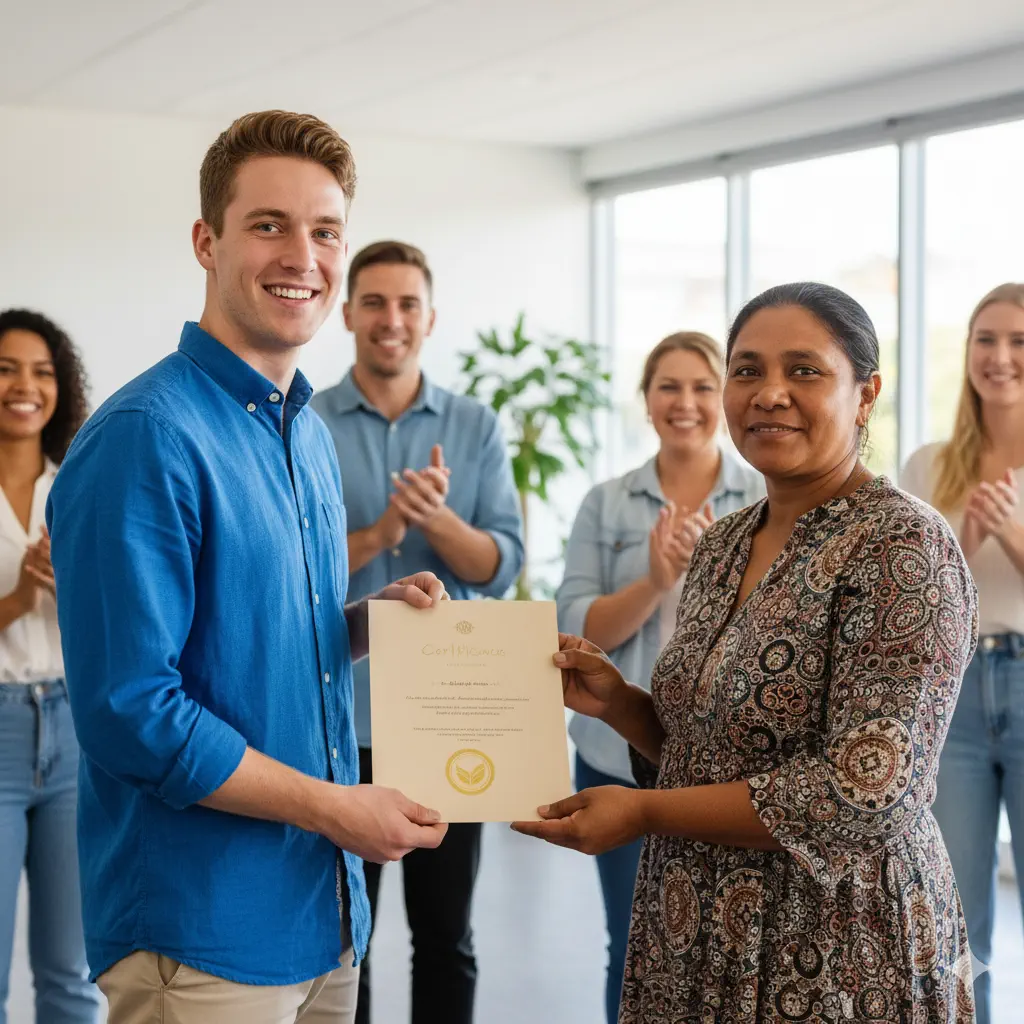
A volunteer certificate or statement of service is an official document issued by charities and volunteer organisations to recognise and verify your volunteer contributions. It serves as proof of your volunteer experience and includes your name, volunteer role, dates of service, total hours completed, description of duties, skills developed, and supervisor's signature. It's valuable for job applications, university admissions, visa applications, and professional development.
8
How do I request a volunteer certificate?
To obtain a volunteer certificate, complete your agreed volunteer commitment, then contact your volunteer coordinator or supervisor to request the documentation. Provide specific details about your service period, including exact dates, roles undertaken, and total hours completed. The process typically takes 1-2 weeks for processing. Review the certificate carefully to ensure all information is accurate before final issuance.
9
Can international visitors volunteer in Australia?
Yes, international visitors can volunteer in Australia, but visa requirements depend on your situation. Tourist visa holders can do casual, short-term volunteering that doesn't displace paid workers. Working Holiday visa (subclass 417/462) holders can volunteer freely. Student visa holders can volunteer in unpaid roles. However, volunteering must be genuinely unpaid - receiving any payment, accommodation, or significant benefits may breach visa conditions. Always check with the Department of Home Affairs for your specific visa type.
10
Do I need a special visa to volunteer in Australia as a foreigner?
For short-term casual volunteering, most visitors can use a standard tourist visa (subclass 600). For longer-term or structured volunteering, a Working Holiday visa (subclass 417 for eligible countries or 462 for others) is suitable if you're aged 18-30 (or 18-35 for some countries). There is no specific 'volunteer visa' for Australia. The key requirement is that volunteering must be unpaid and not replace paid employment. Consult the Department of Home Affairs website or an immigration advisor for your specific situation.
11
Can I volunteer in Australia on a tourist visa?
Yes, you can volunteer on an Australian tourist visa (subclass 600) as long as the work is genuinely unpaid, short-term, and casual in nature. The volunteering should not replace paid employment or be the main purpose of your visit. Acceptable activities include helping at community events, environmental conservation projects, or animal welfare programs. Avoid long-term commitments or roles that would typically be paid positions. Always verify with the Department of Home Affairs for your specific circumstances.
12
What visa do I need for long-term volunteering in Australia?
For long-term volunteering (3-12 months), a Working Holiday visa (subclass 417 or 462) is most suitable for eligible applicants aged 18-30 (or 18-35 for some countries). This visa allows you to volunteer freely while also permitting paid work. Alternatively, if volunteering is part of a formal program, you might use a student visa if enrolled in a course, or a temporary activity visa (subclass 408) for specific cultural or community programs. Consult with the Department of Home Affairs for the most appropriate visa for your situation.
13
Can I receive accommodation while volunteering in Australia on a visa?
Receiving accommodation while volunteering in Australia can be complex for visa holders. Tourist visa holders should avoid receiving accommodation as it may be considered a benefit that breaches visa conditions. Working Holiday visa holders have more flexibility and can participate in programs offering accommodation for volunteer work (such as WWOOFing - farm work). The key test is whether the accommodation is incidental to genuine volunteering or if it constitutes payment for services. Always check with the Department of Home Affairs and be transparent with immigration about your plans.
14
Do I need a Working with Children's Check as an international volunteer?
Yes, international volunteers must obtain a Working with Children's Check if volunteering with children in Australia, regardless of visa status. The WWCC requirements apply to all volunteers working with children under 18, including temporary visitors and Working Holiday visa holders. You'll need to apply through the relevant state or territory authority and may need an Australian address to receive your clearance. Some organisations can assist international volunteers with the WWCC application process.
15
How many hours per week can I volunteer in Australia?
There's no legal limit on volunteer hours for Australian residents. However, for international visitors on tourist or student visas, volunteering should be casual and not constitute full-time work that displaces paid employment. Working Holiday visa holders can volunteer as much as they want. The key principle is that volunteering must be genuinely unpaid. For student visa holders, volunteering shouldn't interfere with your course requirements. Most casual volunteers contribute 2-10 hours per week, while regular volunteers may commit 10-20 hours weekly.
16
Can I volunteer while receiving Centrelink benefits?
Yes, Australian residents receiving Centrelink benefits can volunteer, and it's often encouraged. However, you must continue to meet your mutual obligation requirements if applicable (such as job search activities). Volunteering hours generally don't count toward mutual obligations unless pre-approved as part of a specific program. Always inform Centrelink about your volunteering to ensure it doesn't affect your payments. Some Centrelink recipients may be eligible for approved volunteer programs that contribute to mutual obligations.
17
Is volunteering in Australia really free?
Yes, volunteering in Australia is free - you don't pay to volunteer, and legitimate charities never charge volunteers for the opportunity to help. However, volunteers may incur some personal costs such as transport to the volunteer location, meals during shifts, or uniform items. Some organisations reimburse volunteers for out-of-pocket expenses. Be cautious of any organisation that charges fees to volunteer, as this may indicate a commercial voluntourism program rather than genuine charity volunteering.
18
What is casual volunteering?
Casual volunteering refers to flexible, one-off or occasional volunteer opportunities that don't require a long-term commitment. Examples include helping at weekend community events, participating in beach clean-ups, assisting with charity fundraising events, or joining one-day conservation projects. Casual volunteering is perfect for people with busy schedules, students, or those wanting to try volunteering before making a regular commitment. Many Australian charities offer casual volunteer opportunities alongside their regular volunteer programs.
19
What's the difference between casual and regular volunteering?
Casual volunteering involves flexible, one-off or occasional opportunities without ongoing commitments, such as event volunteering or seasonal projects. Regular volunteering requires consistent commitment, typically weekly or monthly, for extended periods (3-12 months or longer). Regular volunteers often receive more training, take on more responsibility, and develop deeper connections with the organisation and cause. Casual volunteering is ideal for busy schedules or trying different causes, while regular volunteering provides more impact and skill development.
20
Can I volunteer if I'm under 18?
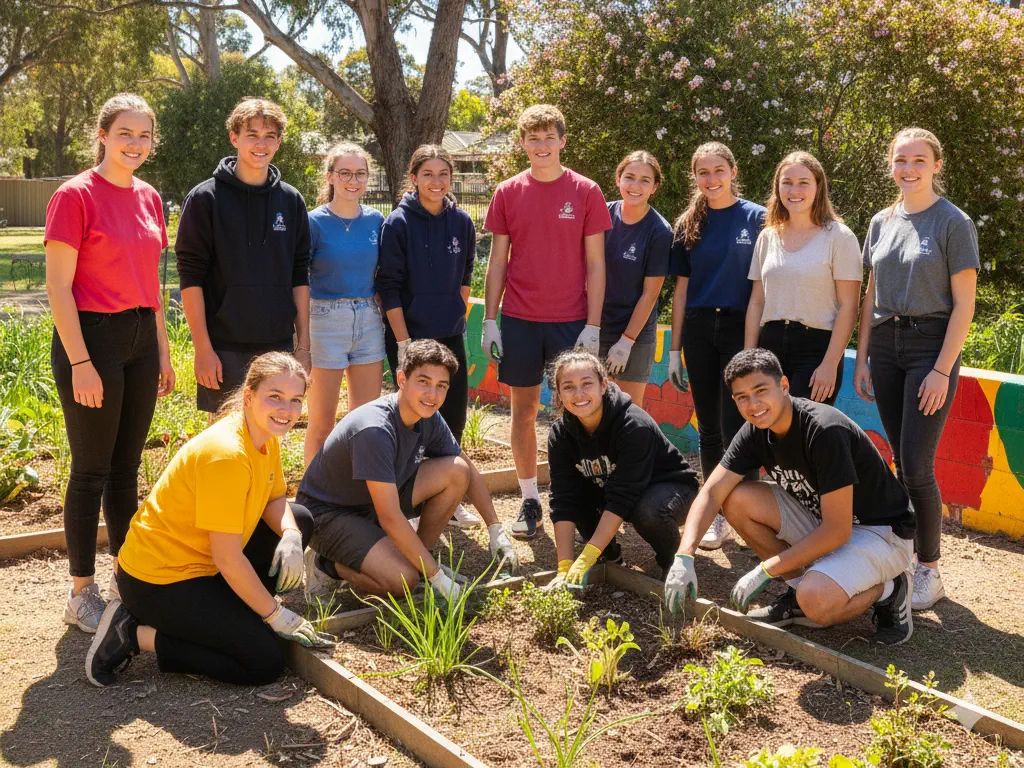
Yes, many Australian charities welcome volunteers under 18 for age-appropriate activities. Requirements vary by organisation - some accept volunteers from age 12-14 with parental consent, while others require volunteers to be 16+. Youth volunteering often involves less risk-intensive roles and may require parental permission forms, supervision, or participation with a parent/guardian. Youth volunteering is valuable for developing skills, meeting people, and building your resume for university or job applications. Some organisations offer specific youth volunteer programs.
21
Do I need insurance to volunteer?
Most Australian charities and volunteer organisations provide public liability insurance and volunteer accident insurance covering you during approved volunteer activities. You don't typically need your own insurance. However, confirm with your organisation what coverage they provide. Insurance usually covers injuries sustained while volunteering and damage you might accidentally cause during volunteer duties. Personal belongings may not be covered, so check if you need your own contents insurance for items you bring.
22
Can I volunteer remotely or from home?
Yes, many Australian charities offer virtual or remote volunteering opportunities you can do from home. Examples include online tutoring or mentoring, social media management, graphic design, website development, online research, telephone support or crisis counselling, grant writing, and virtual event coordination. Virtual volunteering is ideal for people in remote areas, those with mobility constraints, busy professionals, or anyone preferring flexible home-based contributions. Many organisations expanded virtual volunteering options during COVID-19 and continue to offer them.
23
What is skills-based volunteering?
Skills-based volunteering involves using your professional expertise to help charities, such as providing marketing, IT support, legal advice, accounting services, graphic design, strategic planning, HR consulting, or fundraising expertise. This type of volunteering allows you to make significant impact while developing your professional capabilities. Skills-based volunteers often work on specific projects rather than ongoing roles and can contribute remotely. Many professionals engage in pro bono work through skills-based volunteering.
24
Will volunteering help my resume or job applications?
Yes, volunteering significantly enhances your resume and job applications by demonstrating commitment, reliability, teamwork, and community values. Volunteering provides practical experience, develops transferable skills (communication, leadership, problem-solving), shows initiative and work ethic, fills employment gaps positively, and provides references from volunteer coordinators. For students or career changers, volunteering in your target industry provides relevant experience. Always request a volunteer certificate or statement of service documenting your contribution for future applications.
25
Can I volunteer while working full-time?
Yes, many full-time workers volunteer by choosing flexible opportunities that fit their schedule. Options include weekend or evening volunteering, casual one-off events, virtual volunteering from home, skills-based project work, or short regular commitments (2-4 hours weekly). Employer-supported volunteering programs may allow volunteering during work hours. The key is finding organisations that offer flexibility and being realistic about time commitments you can sustain alongside full-time employment.
26
What if I need to stop volunteering?
If you need to stop volunteering, communicate with your volunteer coordinator as soon as possible, explaining your reasons (work commitments, study, personal circumstances, relocation, etc.). Give reasonable notice if possible (2-4 weeks for regular commitments) to help the organisation plan. Complete any critical tasks or handover responsibilities if feasible. Request your volunteer certificate before leaving if you want documentation of your service. Most organisations understand that circumstances change and appreciate honest communication.
27
Are volunteer expenses tax deductible?
Generally no - volunteer expenses (transport, meals, parking) are not tax deductible in Australia, even when volunteering for registered charities. The ATO considers volunteering a personal choice, not work-related. However, donations made to DGR (Deductible Gift Recipient) charities are tax deductible, and some specific volunteer roles may claim work-related deductions if they meet strict ATO criteria (emergency services volunteers, defence force reserves). Consult a tax professional for specific circumstances.
28
Can I volunteer at multiple organisations at once?
Yes, you can volunteer at multiple organisations simultaneously as long as you can meet all commitments reliably. Many volunteers contribute to 2-3 causes they're passionate about. However, be realistic about time availability to avoid overcommitting and disappointing organisations counting on you. Some roles (like crisis support or emergency services) may require exclusive commitment due to training investment or on-call requirements. Casual volunteering at multiple organisations is easier to manage than multiple regular commitments.
29
What should I wear when volunteering?
Dress code varies by organisation and role. Many charities provide uniforms, vests, or ID badges for volunteers. General guidelines: wear comfortable, practical clothing suitable for your tasks; closed-toe shoes for safety; weather-appropriate attire for outdoor work; neat, professional appearance for public-facing roles; and avoid offensive slogans or excessive jewelry. Ask your volunteer coordinator about dress code during induction. Some organisations require specific attire (high-vis vests, logo shirts) which they'll provide.
30
Do I need previous experience to volunteer?
No, most Australian volunteer roles welcome beginners and provide training. Charities understand that volunteers come with varying experience levels and offer induction sessions, on-the-job training, supervision, and ongoing support. Some specialised roles (counselling, medical support, skilled trades) may require qualifications or experience, but countless opportunities exist for first-time volunteers. Enthusiasm, reliability, and willingness to learn are often more important than previous experience.
31
What training do volunteers receive?
Volunteer training typically includes: initial induction covering organisation mission, policies, and procedures; role-specific training for your tasks; health and safety briefing; child protection or vulnerable persons training if relevant; systems training (databases, equipment); and ongoing skill development. Training duration varies from 1-2 hours for simple roles to several days for complex positions like crisis support. Many organisations provide certificates for completed training, which can be valuable for your professional development.
32
Can retirees or seniors volunteer?
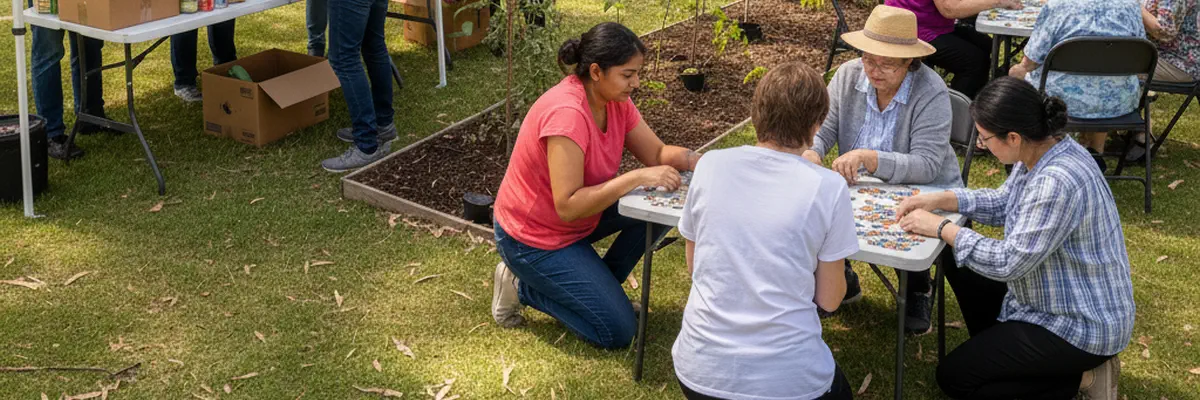
Absolutely! Retirees and seniors are highly valued volunteers who bring life experience, skills, wisdom, and often have flexible schedules for regular commitments. Many Australian organisations specifically seek mature volunteers for mentoring, administration, visitor support, peer support programs, and governance roles. Age is no barrier to volunteering - organisations welcome volunteers of all ages and can accommodate physical limitations or health considerations. Volunteering in retirement provides social connection, purpose, and opportunities to give back.
33
Is there an age limit for volunteering?
There's no upper age limit for volunteering in Australia - organisations welcome volunteers of all ages. Some roles may have minimum age requirements (typically 14-18) due to safety, legal, or insurance considerations. Older volunteers bring valuable experience and perspective. Organisations can accommodate age-related considerations like reduced mobility, scheduling around health appointments, or less physically demanding roles. Many active volunteers are in their 60s, 70s, and 80s, contributing thousands of hours to their communities.