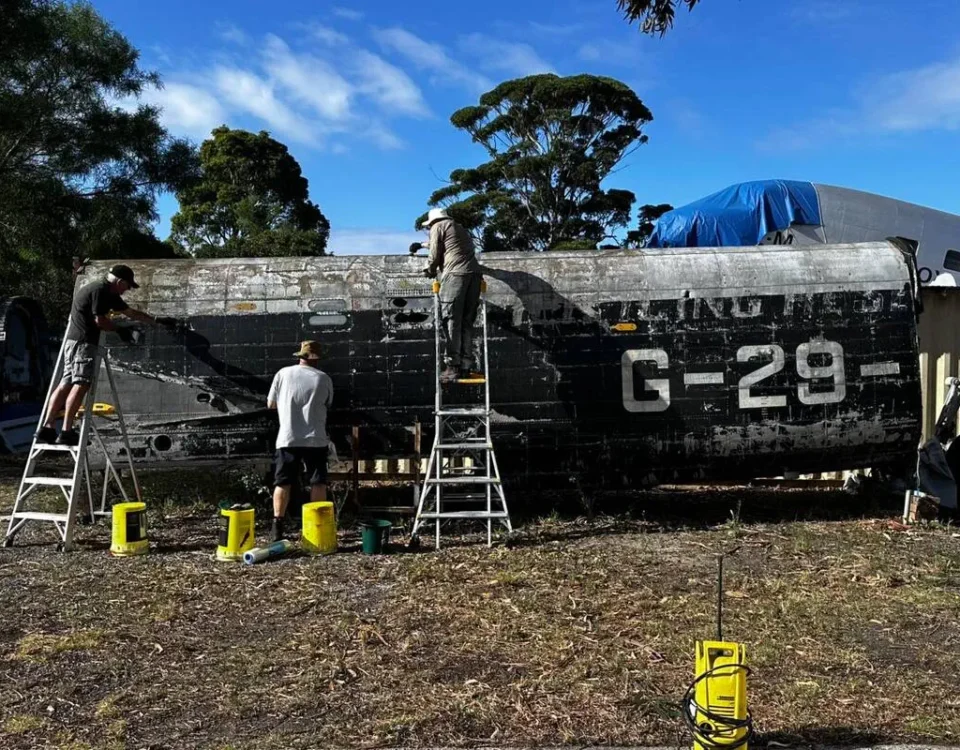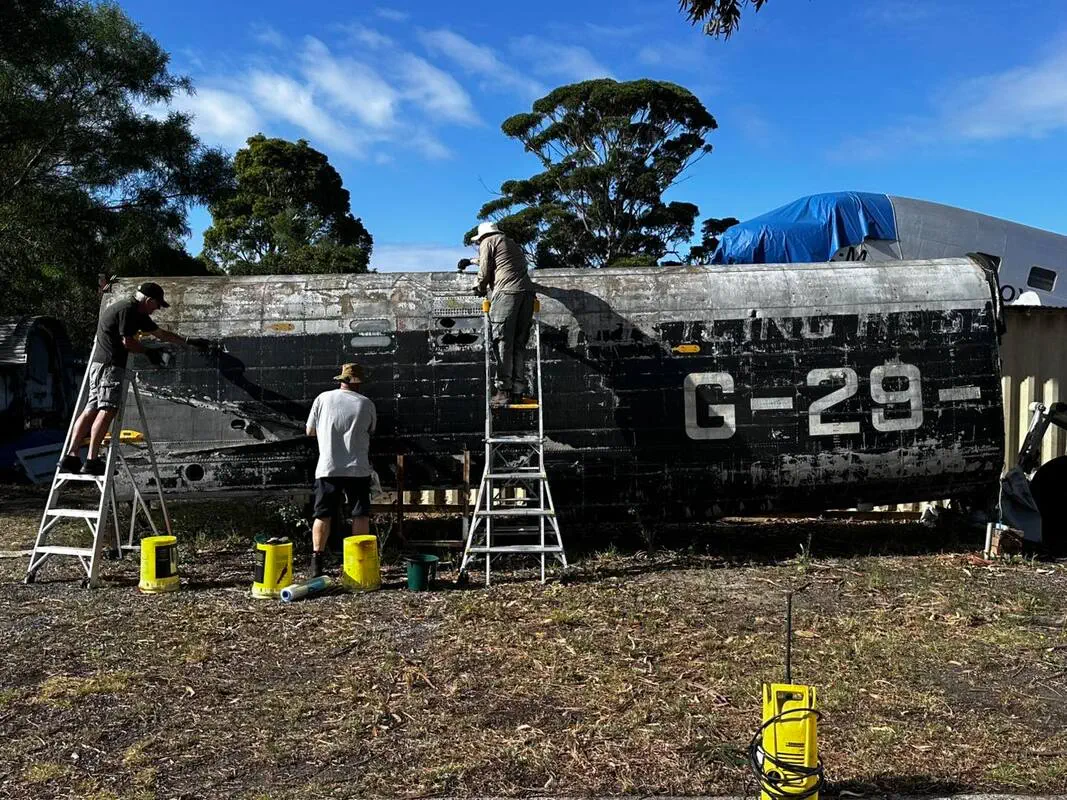

The Dedicated Volunteers Keeping Australia’s Aviation Heritage Alive
3 December 2025
$50,000 Grants for Australian Charities: QBE Foundation 2026 Program Now Open
17 February 2026Western Australia Fundraising Reforms 2026: What Charities Need to Know
Last updated: 3 February 2026
In a landmark move to reduce red tape and simplify operations for charities, Western Australia has passed significant fundraising reforms that will reshape how charities operate across the state.
The Charitable Collections Amendment Act 2025 received parliamentary approval in November 2025 and represents the most substantial update to WA's fundraising legislation since the original Charitable Collections Act was introduced in 1946.
For the approximately 2,700 organisations currently licensed to fundraise in Western Australia—85% of whom are also registered with the Australian Charities and Not-for-profits Commission (ACNC)—these reforms promise to streamline compliance, reduce administrative burden, and align WA with national fundraising standards.

Overview: The Impact on 2,700 WA Charities
Western Australia's Charitable Collections Amendment Act 2025 represents the most significant overhaul of fundraising regulation in nearly 80 years, directly affecting 2,700 licensed charitable organisations across the state. With 85% of these already registered with the ACNC, the reforms eliminate duplicate red tape and position WA as a leader in national fundraising harmonisation.
Three Game-Changing Reforms
⏰ Timeline: The Act passed in November 2025, with National Fundraising Principles expected to take effect in H1 2026. Existing licences will convert to the continuous model at their next renewal date.
All statistics sourced from official government and industry documentation. See Official Documentation and Resources for complete references.
What's Changed?
The reforms introduce several key changes designed to modernise fundraising regulation in Western Australia:
Automatic Deemed Licensing for ACNC-Registered Charities
The most significant change is the introduction of automatic mutual recognition for charities registered with the ACNC. Previously, charities registered with the ACNC still needed to apply separately for a WA charitable collections licence. Under the new system, ACNC-registered entities will be automatically deemed licensed in WA upon notifying the Commissioner for Consumer Protection of their intention to fundraise in the state.
This change affects approximately 2,300 of the currently licensed organisations and eliminates duplicate applications and renewal processes. According to parliamentary records, this streamlining will save charities considerable time and administrative costs while maintaining regulatory oversight.
Continuous Licensing Model
Western Australia has moved from requiring licence renewals every three years to issuing continuous licences. This means charities no longer need to remember renewal dates or submit periodic reapplication paperwork. Licences remain valid as long as the charity continues to meet its obligations and notify Consumer Protection of any material changes.

National Fundraising Principles Implementation
The reforms pave the way for WA to implement the National Fundraising Principles—a set of 16 nationally consistent conduct requirements agreed upon by Commonwealth, state, and territory treasurers in February 2023. These principles are expected to come into effect in the first half of 2026 and will replace WA's Voluntary Code of Practice.
The principles cover essential areas including:
- Transparency about how donations will be used
- Clear identification requirements for fundraisers
- Restrictions on door-to-door and telephone fundraising times
- Prohibitions on misleading or deceptive conduct
- Protection for vulnerable donors
- Record-keeping requirements
- Due diligence when engaging third-party fundraisers

Streamlined Reporting Requirements
Charities registered with the ACNC no longer need to submit duplicate annual financial returns to both the ACNC and Consumer Protection. They'll only report to the ACNC through the Annual Information Statement, significantly reducing paperwork.
This builds on earlier reforms that have progressively harmonised reporting requirements between federal and state regulators. Former ACNC Commissioner Dr Gary Johns praised similar reforms in 2020, stating:
"Removing the duplicated reporting requirements for incorporated associations will help to streamline reporting for charities, allowing them to focus on their beneficiaries. One of our main goals at the ACNC is to reduce the regulatory burden for charities by harmonising reporting."
The ACNC reports that as of June 2025, there are 63,667 registered charities nationally, with the sector employing 1.54 million people and generating $222 billion in revenue annually. Pleasingly, volunteer numbers rose to around 3.77 million, demonstrating the vital role community members play in supporting charitable work.
Enhanced Regulatory Powers
While reducing administrative burden, the reforms also strengthen the Commissioner's ability to:
- Apply, modify, or revoke licence conditions at any time (not just at the point of licence grant)
- Enter into information-sharing agreements with the ACNC and other regulators
- Take coordinated enforcement action for non-compliance
This creates a more responsive regulatory framework that can address issues as they arise rather than waiting for scheduled renewal periods.

Why These Reforms Matter
For nearly eight decades, Australian charities have navigated a complex web of different fundraising regulations across states and territories. The #FixFundraising coalition has long advocated for harmonisation, noting that compliance requirements cost Australian charities more than $1 million per month.
"That has caused a few problems—duplicate forms, extra paperwork, and unnecessary hoops for charities big and small just trying to do good in our communities. This bill fixes that. It modernises the law, makes it simpler and brings WA in line with national reforms. It cuts red tape while keeping accountability where it matters."
These costs hit smaller charities particularly hard. With over 30% of Australian charities classified as "extra small" (annual revenue under $50,000), the administrative burden of managing multiple state-based licences, each with different requirements and renewal schedules, diverts precious resources away from charitable work.
The reforms recognise that modern fundraising has changed dramatically since 1946. Simply having a "donate" button on a website means a charity is potentially fundraising nationally, yet until recently, this could trigger licensing requirements in every Australian jurisdiction.
Western Australia's reforms represent a significant step towards the goal of a truly harmonised national fundraising regime, where charities can operate seamlessly across borders with a single set of clear, consistent rules.
What Charities Need to Do Now
The reforms create different pathways depending on your charity's status:
If You're Registered with the ACNC
Good news: You'll automatically be deemed licensed in WA once you notify Consumer Protection of your intention to fundraise in the state. You don't need to complete a full licence application.
Action required:
- Notify the Commissioner for Consumer Protection that you intend to fundraise in WA
- Ensure you're compliant with all ACNC obligations, as this forms the basis of your deemed licence
- Stay informed about the National Fundraising Principles implementation (expected first half of 2026)
- Continue to notify Consumer Protection of any changes to contact details, principal executive officers, and appointed auditors/reviewers
Important: Even with deemed licensing, you must still comply with all regulations, conditions, and conduct requirements that apply to locally licensed entities. The Commissioner retains the power to revoke a deemed licence if necessary.
If You're Not Registered with the ACNC
You'll continue to apply for a charitable collections licence through the traditional process, but will benefit from:
- Continuous licensing (no more three-year renewals)
- Clearer conduct requirements once the National Fundraising Principles come into effect
- Potential for streamlined applications in the future
Consider whether ACNC registration might benefit your organisation, as it will provide automatic licensing pathways not just in WA, but increasingly in other states implementing similar reforms.
Key Dates to Remember
- November 2025: Charitable Collections Amendment Act 2025 passed
- Current: Transition period underway
- First half 2026: National Fundraising Principles expected to come into effect
- Ongoing: Consumer Protection issues continuous licences at next renewal date for existing licensees

Frequently Asked Questions
Got questions about the WA fundraising reforms? Here are answers to the most common queries from charities.
The Broader Context: National Harmonisation
Western Australia's reforms don't exist in isolation. They're part of a broader national effort to create consistency across Australian fundraising regulation.
Assistant Minister for Competition, Charities and Treasury, the Hon Dr Andrew Leigh MP, who has championed the #FixFundraising campaign since 2017, recently emphasised the urgency of these reforms:
"Charities have long told their governments that organisations are wasting time complying with inconsistent and outdated fundraising rules across the states and territories... Complete cross-border harmonisation of fundraising authority and full coverage adoption of the national fundraising principles are excitingly close."
Progress across jurisdictions includes:
- South Australia has already implemented the National Fundraising Principles
- Victoria released an implementation plan to replace existing laws with the principles
- New South Wales has introduced deemed recognition for ACNC-registered entities
- Queensland and other jurisdictions are in various stages of consultation and implementation
The ultimate goal is a system where Australia's 63,667+ registered charities can fundraise anywhere in the country under a single, modern set of rules, freeing up resources to focus on their charitable missions rather than navigating regulatory complexity.

How Helptia Can Help
At Helptia, we understand that regulatory changes can feel overwhelming, especially for smaller charities with limited administrative resources. We're committed to supporting Australian charities through these transitions.
Whether you're exploring opportunities for collaboration, seeking resources to connect with donors and volunteers, or looking for guidance on navigating the evolving regulatory landscape, Helptia provides tools and connections to strengthen the Australian nonprofit sector.
For personalised support or questions about how these reforms affect your specific situation, don't hesitate to reach out to Consumer Protection directly at 1300 304 074 or visit their fundraising guidance pages.
Join the Conversation
This article has sparked discussions across multiple platforms. Join the conversation and share your insights:
- LinkedIn: Professional analysis and discussion — Read on LinkedIn
- Medium: Quick summary and key action steps — Read on Medium
- X (Twitter): Real-time updates and community reactions — View on X
- Digg: Community discussion — Australian Charities community
Official Documentation and Resources
To stay informed about these reforms and your obligations:
- ACNC Guidance: Fundraising in Western Australia
- Consumer Protection: Fundraising for Charitable Purposes
- National Fundraising Principles: Full text available at Not-for-profit Law
- WA Implementation Plan: Consumer Protection's National Fundraising Principles Plan
- Parliamentary Records: Charitable Collections Amendment Bill 2025 Hansard
Data Sources Referenced in This Article
- 2,700 licensed charities in WA: Consumer Protection Western Australia
- 85% ACNC registration rate: Western Australia Parliament Hansard (November 12, 2025)
- $1M+ monthly compliance cost savings: #FixFundraising Coalition
- 16 National Fundraising Principles: NFP Law - National Fundraising Principles
- 63,667 registered charities nationally: ACNC Annual Report 2024-25
Western Australia's fundraising reforms represent a win for charities, reducing administrative burden while maintaining public confidence and accountability. By aligning with national standards and recognising ACNC registration, these changes acknowledge the reality of modern, cross-border fundraising and free up charities to focus on what matters most—serving their communities and advancing their charitable purposes.